
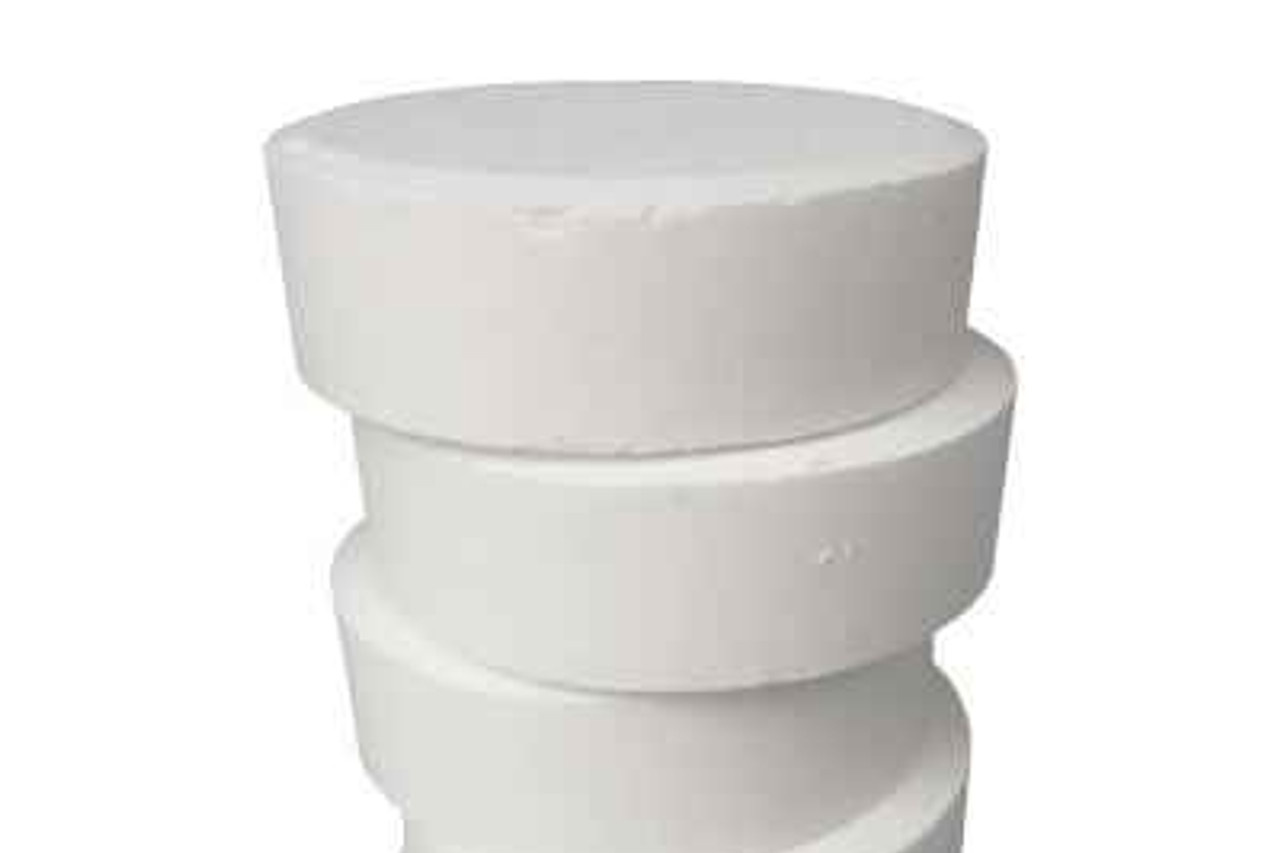
When buying chlorine tablets in bulk, many customers focus on chlorine content, tablet size, and price. But there is another important question that should not be overlooked: how long do chlorine tablets last in storage?
Proper storage is essential for maintaining the quality and performance of chlorine tablets. Whether you are a pool service company, distributor, importer, or industrial buyer, understanding chlorine tablets shelf life can help reduce product loss and ensure that the tablets remain suitable for their intended application.
The actual storage life depends on the product formulation, packaging, storage environment, and how the tablets are handled.
What Is the Shelf Life of Chlorine Tablets?
There is no single storage period that applies to every chlorine tablet product. Different formulations and packaging systems can have different recommended shelf lives.
Many chlorine tablets are made with stabilized chlorine compounds designed for controlled disinfection. However, chlorine is still a reactive chemical, so the product can gradually lose available chlorine when exposed to unsuitable environmental conditions.
For this reason, buyers should always check the manufacturer’s label, technical documentation, and recommended storage period for the specific product.
If you are purchasing pool chlorine tablets wholesale, asking the manufacturer about production dates, shelf life, packaging, and storage requirements is an important part of quality control.
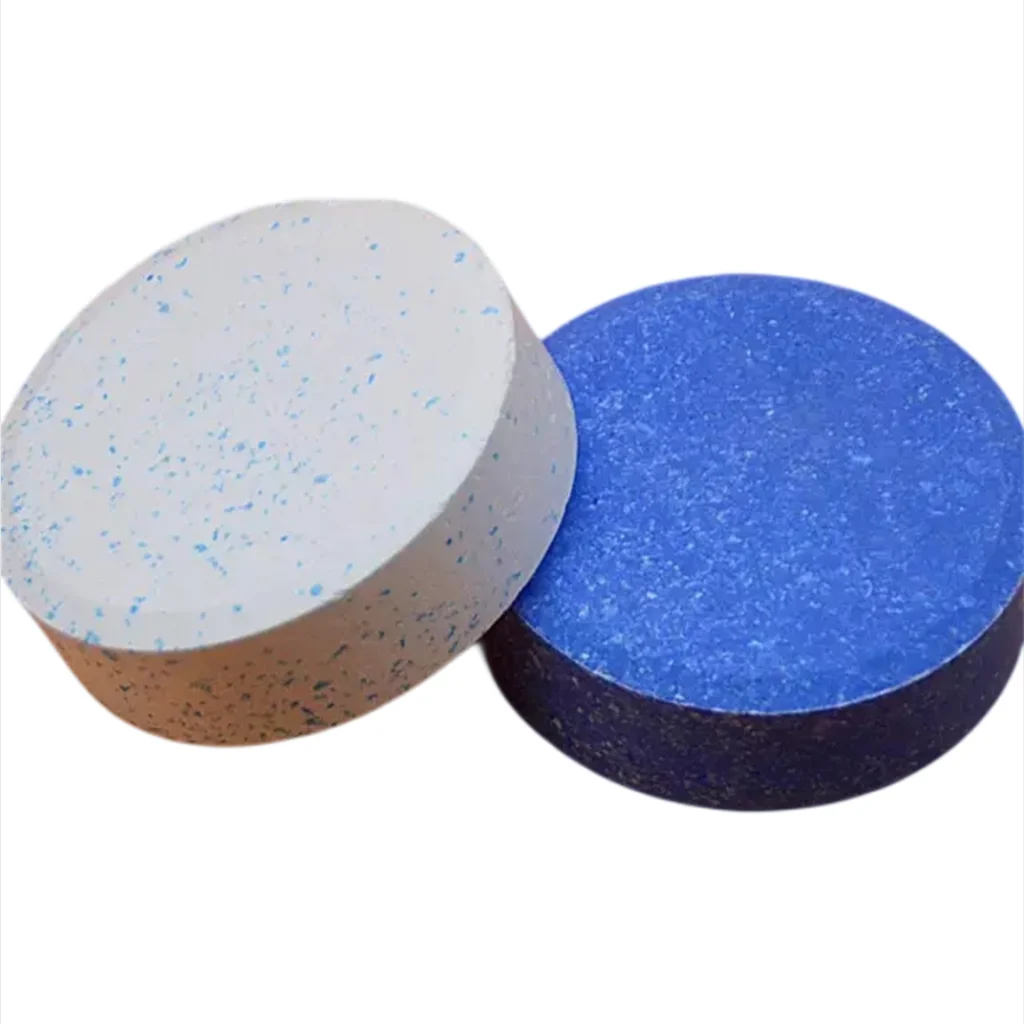
What Happens to Chlorine Tablets During Long-Term Storage?
When chlorine tablets are stored correctly, they can maintain their physical form and chemical performance for a considerable period. However, poor storage conditions may accelerate degradation.
Over time, chlorine tablets may gradually lose available chlorine. In some cases, improper storage can also affect tablet appearance, strength, or handling characteristics.
This does not mean that every older tablet becomes unusable immediately. Instead, the key issue is whether the product remains within the manufacturer’s specified quality requirements.
For commercial buyers, chlorine tablet shelf life should therefore be considered when planning inventory rather than simply storing large quantities without a rotation system.
5 Factors That Affect Chlorine Tablet Storage Life
Temperature
High temperatures can accelerate chemical degradation. Chlorine tablets should generally be stored in a cool environment according to the manufacturer’s recommendations.
Avoid placing containers near heaters, boilers, direct sunlight, or other heat sources.
Humidity and Moisture
Moisture can negatively affect chlorine tablets and packaging. Excess humidity may cause tablets to become damp, break down, or develop changes in appearance.
For pool chlorine tablets storage, keeping the product in a dry location is especially important. Containers should remain properly closed when not in use.
Packaging Quality
Packaging is one of the most important factors in protecting chlorine tablets during transportation and storage.
Well-designed packaging helps reduce exposure to moisture and environmental contaminants. For wholesalers and distributors, durable packaging can also reduce damage during long-distance transportation.
A professional chlorine tablet manufacturer should be able to provide packaging options suitable for different markets, shipping conditions, and order quantities.
Exposure to Sunlight
Direct sunlight and heat can negatively affect chemical products. Chlorine tablets should therefore be kept away from prolonged direct sunlight.
A shaded, cool, dry, and well-ventilated storage area is generally preferable, subject to the product’s specific safety data and storage instructions.
Inventory Rotation
Even when products have a relatively long shelf life, good inventory management is important.
Using the first-in, first-out (FIFO) principle can help distributors avoid keeping older batches in storage for unnecessarily long periods. Record the production date and batch number when receiving each shipment.
This is particularly useful for companies that purchase chlorine tablets wholesale and maintain larger inventories.
How Should Chlorine Tablets Be Stored?
For better product protection, follow the manufacturer’s storage instructions and keep chlorine tablets in their original, properly closed packaging whenever possible.
A suitable storage area should generally be:
- Cool and dry
- Well ventilated
- Protected from direct sunlight
- Away from heat sources
- Free from unnecessary moisture
- Organized so different chemicals remain separated
Chlorine products should also be stored according to the applicable safety data sheet. They should not be casually stored together with incompatible chemicals or materials.
If packaging becomes damaged, inspect the product and follow the manufacturer’s safety and handling recommendations rather than simply transferring chemicals into an unapproved container.
What Should Bulk Buyers Ask a Chlorine Tablet Supplier?
If you are an importer, distributor, or pool chemical wholesaler, several questions are worth asking before placing a large order.
Ask about:
- Recommended shelf life
- Production and batch dates
- Available chlorine specifications
- Packaging options
- Recommended storage conditions
- Safety data documentation
- OEM or private-label packaging
- Shipping and transportation requirements
Choosing an experienced chlorine tablets wholesale supplier can make inventory management easier and reduce the risk of unnecessary product loss.
Why Work With QC Industry?
For buyers looking for a reliable chlorine tablet manufacturer, supplier experience and product consistency are important considerations.
QC Industry supplies chlorine tablets and water treatment chemicals for international markets. The company supports customers with product specifications, packaging solutions, and supply services.
For distributors and bulk buyers, communicating the intended application, target market, packaging requirements, and expected storage conditions with the supplier can help create a more suitable purchasing plan.
Conclusion
So, how long do chlorine tablets last in storage? There is no universal answer because storage life depends on the specific formulation, packaging, environmental conditions, and manufacturer’s specifications.
The best way to protect chlorine tablets is simple: keep them cool, dry, properly packaged, protected from direct sunlight, and stored according to the manufacturer’s instructions. For businesses, good inventory rotation and batch tracking are equally important.
Whether you are buying a small quantity for pool maintenance or placing a large chlorine tablets wholesale order, proper storage can help preserve product quality and maximize the value of your inventory.