
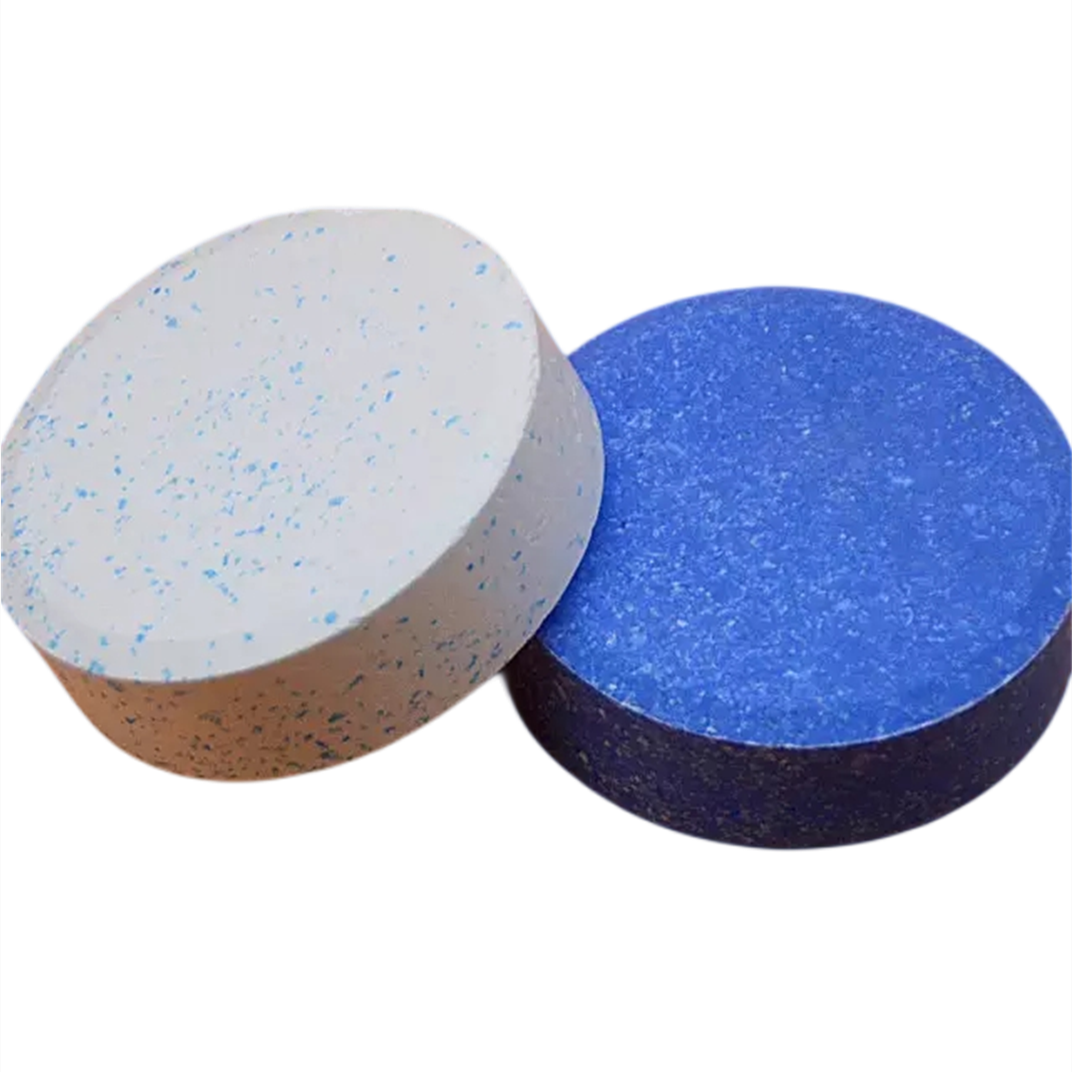
If you use chlorine tablets to maintain your swimming pool, you may sometimes notice that a tablet seems to dissolve much more slowly than expected. This can be frustrating, especially when you are trying to maintain consistent pool water quality.
So, why is my chlorine tablet not dissolving? In most cases, the reason is related to water flow, tablet size, water temperature, feeder settings, or the way the tablet is being used. Understanding these factors can help you identify the problem without unnecessarily adding more chlorine.
The Water Flow May Be Too Low
Water circulation is one of the most important factors affecting how quickly chlorine tablets for pool maintenance dissolve.
Chlorine tablets need contact with circulating water to gradually release their active ingredients. If a floating dispenser is barely moving or an automatic chlorinator has insufficient water flow, the tablet may dissolve very slowly.
Check whether your pool pump and filtration system are operating normally. Also make sure the chlorine feeder is installed correctly and that water can pass through it as designed.
For larger pools, proper circulation is especially important because chlorine needs to be distributed throughout the entire pool.
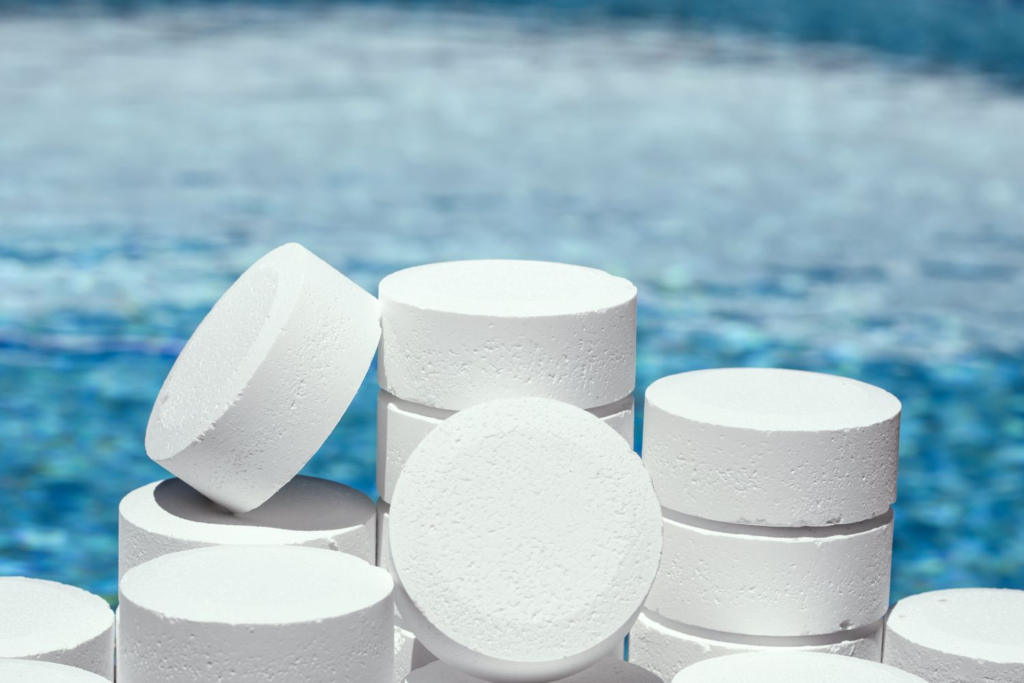
You Are Using a Large Chlorine Tablet
Tablet size naturally affects dissolving time.
For example, 3 inch chlorine tablets are larger than 1-inch tablets and are generally designed to dissolve more slowly. Their larger size makes them suitable for continuous chlorine release in medium and large swimming pools.
If you have recently switched from smaller tablets to 3 inch chlorine tablets for pools, it is normal for the new tablets to take longer to dissolve.
A slower dissolving rate does not necessarily mean that the product is defective. In many applications, controlled dissolution is exactly what the tablet is designed to provide.
The Water Temperature Is Too Low
Water temperature can also affect how quickly pool chemicals dissolve.
When the water is relatively cold, a chlorine tablet may dissolve more slowly than it does in warmer water. This can be particularly noticeable during cooler seasons or in pools that are not heated.
On the other hand, warmer water may increase the dissolving rate. Therefore, the same pool chlorine tablets can behave differently under different environmental conditions.
Your Chlorine Feeder Setting Is Too Low
If you use an adjustable chlorine feeder, check its setting.
Many automatic chlorinators allow users to control how much water comes into contact with the tablets. If the setting is too low, chlorine release may be slower than expected.
However, increasing the setting simply to make a tablet dissolve faster is not always the right solution. The goal is to maintain an appropriate chlorine level in the pool, not to make the tablet disappear as quickly as possible.
Always follow the product instructions and test your pool water regularly before making adjustments.
The Tablet May Be Exposed to Insufficient Water
Where the tablet is placed also matters.
A floating dispenser that becomes trapped against the pool wall, corner, or steps may not receive enough water circulation. As a result, the chlorine tablet may appear to stop dissolving.
For an automatic feeder, make sure the equipment is compatible with the tablet size and product type.
This is especially important when using slow dissolving chlorine tablets for swimming pools, because their performance depends on controlled contact with circulating water.
The Tablet May Have Been Stored Incorrectly
Storage conditions can affect the quality of chlorine products.
Chlorine tablets should be stored according to the manufacturer’s instructions and protected from unsuitable environmental conditions and incompatible chemicals. Poor storage may affect the physical condition of tablets and their expected performance.
For distributors and bulk buyers, proper packaging and storage recommendations are therefore important considerations when purchasing pool chlorine tablets wholesale.
Should You Add More Chlorine Tablets?
If one tablet is dissolving slowly, adding several additional tablets immediately may not be the best solution.
First, test the pool water. Check the current chlorine level and other important water parameters. Then inspect the pump, water flow, feeder setting, and tablet condition.
Adding too much chlorine without testing can result in unnecessarily high chlorine levels and may create water quality problems.
The correct approach is to identify why the tablet is dissolving slowly and adjust the system according to the product manufacturer’s recommendations.
Choosing Consistent Chlorine Tablets
For pool owners, reliable tablet performance is important. For distributors and commercial buyers, consistent production quality is even more important.
A professional chlorine tablet manufacturer should provide clear product specifications, stable quality, suitable packaging, and guidance on proper use.
QC Industry supplies pool cleaning and water treatment chemicals, including chlorine tablets for different pool applications. Customers looking for 3 inch chlorine tablets wholesale can discuss product specifications, packaging, order quantities, and application requirements directly with the manufacturer.
Working with a reliable pool chlorine tablets supplier can help distributors provide consistent products to residential and commercial pool customers.
Conclusion
So, why is my chlorine tablet not dissolving? The most common causes include low water flow, a large tablet size, low water temperature, incorrect feeder settings, poor tablet placement, or unsuitable storage conditions.
If you are using 3-inch tablets, remember that their larger size means they are generally designed for slower and more controlled chlorine release. A tablet that takes longer to dissolve is not automatically a sign of poor quality.
Before adding more chlorine, test the pool water and check your circulation system and feeder. Choosing the right chlorine tablets for pool water treatment and using them according to the manufacturer’s instructions can help maintain more consistent and effective pool sanitation.