
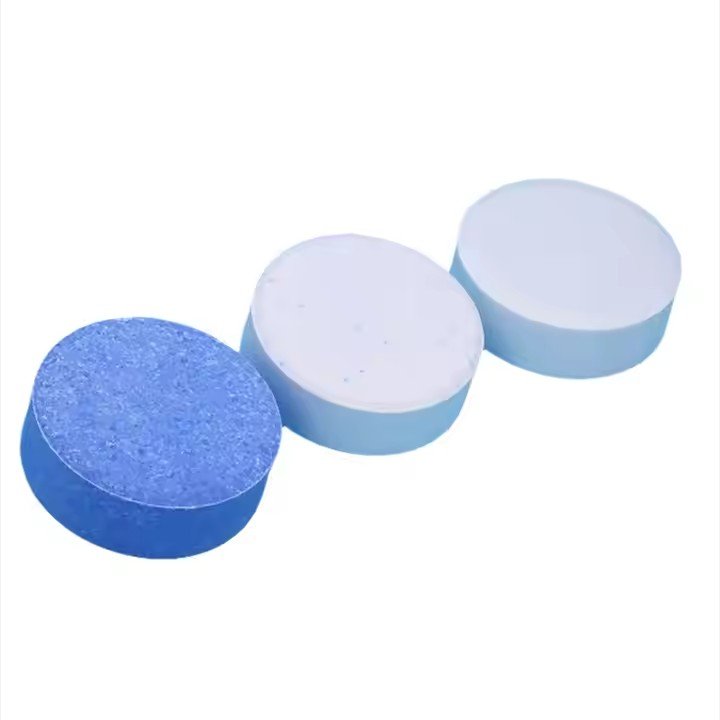
Pool chlorine tablets are essential for maintaining clean, safe, and algae-free swimming pool water. However, improper storage can reduce their effectiveness, create safety risks, and even damage nearby materials. Whether you are a pool owner, distributor, hotel operator, or pool maintenance company, understanding the correct way to store chlorine tablets is extremely important.
In this guide, we’ll explain how to safely and effectively store pool chlorine tablets, common mistakes to avoid, and how high-quality products from TBPFilter can help improve pool water treatment efficiency.
Why Proper Storage of Pool Chlorine Tablets Matters
Pool chlorine tablets are chemical disinfectants designed to slowly release chlorine into pool water. When exposed to moisture, heat, sunlight, or incompatible chemicals, the tablets may lose potency or become unstable.
Proper storage helps:
- Maintain chlorine effectiveness
- Extend product shelf life
- Prevent dangerous chemical reactions
- Reduce waste and replacement costs
- Ensure pool water stays hygienic and balanced
For commercial swimming pools, resorts, water parks, and public facilities, correct storage procedures are especially important because large quantities of chlorine tablets are often kept on-site.
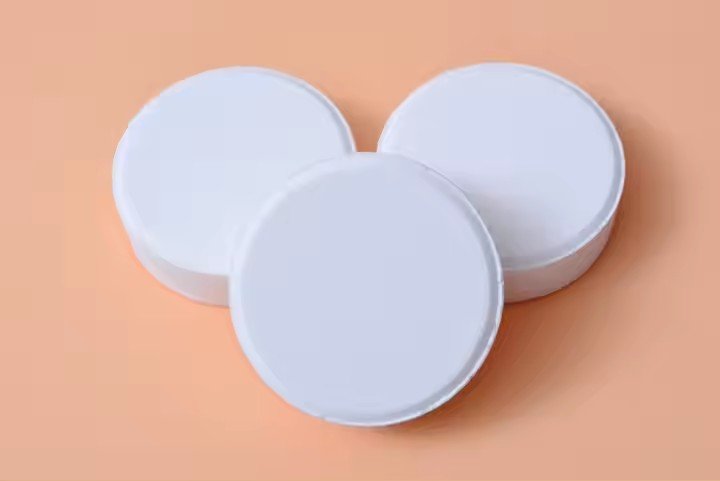
Store Chlorine Tablets in a Cool, Dry Place
One of the most important storage rules is keeping chlorine tablets away from heat and humidity.
High temperatures can accelerate chemical breakdown, while moisture may cause tablets to dissolve prematurely or release chlorine gas. Ideally, pool chlorine tablets should be stored in:
- A cool indoor storage room
- Dry and well-ventilated environments
- Areas protected from direct sunlight
- Locations away from water leaks or rain exposure
Avoid placing chlorine tablets near pool pumps, heaters, or outdoor equipment exposed to summer heat.
Always Keep Tablets in Their Original Container
Many accidents happen because pool chemicals are transferred into unmarked or incompatible containers. Chlorine tablets should always remain in their original sealed packaging provided by the manufacturer.
Original containers are designed to:
- Resist chemical corrosion
- Prevent moisture entry
- Provide safety labels and instructions
- Reduce contamination risks
Reliable manufacturers like TBPFilter use durable packaging solutions that help preserve chlorine tablet quality during transportation and long-term storage.
Keep Chlorine Tablets Away from Other Chemicals
Pool chlorine tablets should never be stored near acids, fertilizers, oils, cleaning products, or other pool chemicals.
Mixing chlorine with incompatible substances can trigger dangerous chemical reactions, including fire, toxic gas release, or explosions.
Especially avoid storing chlorine tablets near:
- Liquid chlorine
- Shock treatments
- Muriatic acid
- Flammable materials
- Organic compounds
Professional pool maintenance facilities often use separate chemical storage areas to minimize these risks.
Use Proper Ventilation
Chlorine products naturally release small amounts of gas over time. Poor ventilation can allow fumes to accumulate, leading to corrosion or respiratory irritation.
Good storage areas should include:
- Fresh airflow
- Ventilation fans if necessary
- Dry air circulation
- Non-metal shelving when possible
Never store chlorine tablets in sealed hot rooms, small closets, or confined spaces without ventilation.
Avoid Direct Contact with Metal Surfaces
Chlorine fumes can corrode metal over time. Avoid placing chlorine tablet containers directly on metal shelves or near metal tools and machinery.
Instead, use:
- Plastic pallets
- PVC shelving
- Chemical-resistant storage racks
This helps protect both the storage area and surrounding equipment.
Keep Chlorine Tablets Away from Children and Pets
Although chlorine tablets are commonly used in residential pools, they are still strong chemical products that must be handled responsibly.
Always:
- Store containers in locked areas
- Keep products out of reach of children
- Prevent pets from accessing storage rooms
- Clearly label all chemical containers
Safety training is also recommended for staff working in hotels, resorts, and commercial pool facilities.
Monitor Expiration Dates and Inventory
Like many chemical products, pool chlorine tablets perform best when used within their recommended shelf life.
Pool operators should regularly:
- Rotate older inventory first
- Inspect containers for damage
- Remove wet or contaminated tablets
- Track storage conditions
High-quality chlorine tablets from TBPFilter are manufactured with stable formulations that help maintain performance during proper storage.
Common Storage Mistakes to Avoid
Here are several common mistakes pool owners make:
Leaving Containers Open
Open lids allow moisture and contaminants to enter the container.
Storing Outdoors
Rain, UV exposure, and temperature changes reduce tablet stability.
Mixing Different Chlorine Products
Different chlorine formulations should never be mixed together.
Ignoring Safety Labels
Manufacturers provide important handling and storage instructions that should always be followed.
Choosing a Reliable Pool Chemical Supplier
Safe storage starts with purchasing high-quality pool chlorine tablets from a trusted manufacturer. Product consistency, packaging quality, and chemical stability all affect long-term storage safety.
TBPFilter specializes in professional pool water treatment solutions, including high-quality pool chlorine tablets designed for residential pools, commercial swimming pools, hotels, resorts, and water treatment systems. Their products are manufactured with strict quality standards to ensure reliable disinfection performance and safer storage conditions.
Conclusion
Properly storing pool chlorine tablets is essential for maintaining water quality, improving safety, and extending product lifespan. By keeping tablets in cool, dry, ventilated areas and away from incompatible chemicals, pool owners can avoid unnecessary risks and maximize chlorine efficiency.
Whether you manage a backyard pool or a large commercial swimming facility, choosing reliable products from trusted suppliers like TBPFilter can help ensure safer and more effective pool maintenance year-round.