
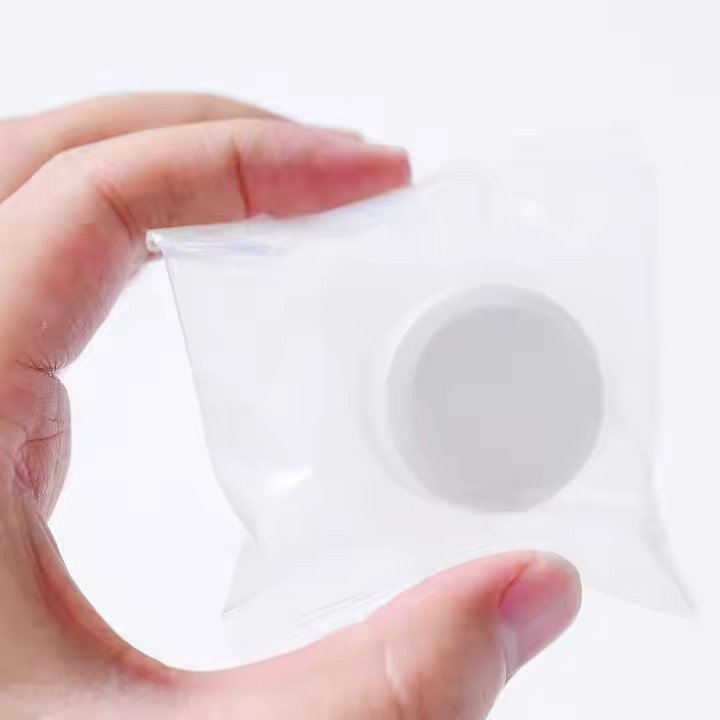
Swimming pools need proper sanitation to keep the water clean and safe. Chlorine tablets are one of the most common products used for continuous pool disinfection, but many pool owners ask an important question: Can you swim with chlorine tablets in the pool?
The short answer is: it depends on where the chlorine tablets are placed and the current chlorine level of the pool water. Chlorine tablets should not simply be thrown directly into the swimming area while people are in the pool. They should be used with an appropriate chlorine feeder, floater, or other equipment according to the product instructions.
Understanding how chlorine tablets work can help pool owners maintain clean water while reducing unnecessary risks.
Can You Swim While Chlorine Tablets Are in the Pool?
Having chlorine tablets in a properly designed floating dispenser or automatic chlorine feeder does not automatically mean that swimming is prohibited.
The important factor is the chlorine concentration in the pool water, rather than simply whether a chlorine tablet is physically present somewhere in the pool.
When chlorine tablets for pool maintenance are placed inside a compatible feeder, they gradually release chlorine into the water. This allows the disinfectant to spread through the circulation system rather than releasing a large amount of chlorine in one location.
However, pool owners should always follow the tablet manufacturer’s instructions and test the water before allowing people to swim.
Never Throw Chlorine Tablets Directly Into the Pool
One common mistake is placing chlorine tablets directly on the pool floor, steps, or other surfaces.
This is generally not recommended because concentrated chlorine can damage certain pool surfaces and may create an area with an unnecessarily high concentration of chemical.
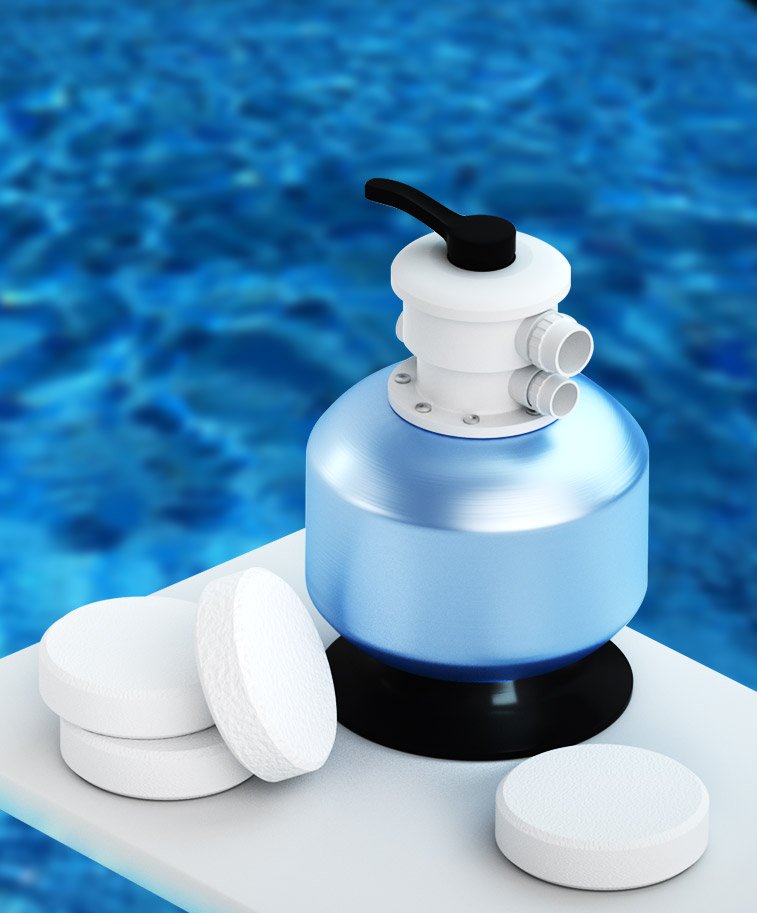
Instead, pool chlorine tablets should normally be used with a suitable floating dispenser, chlorinator, or automatic chemical feeder designed for the specific tablet size.
This is especially important when using larger products such as 3-inch chlorine tablets for swimming pools, which are commonly designed for controlled and gradual chlorine release.
Check Chlorine Levels Before Swimming
Before swimming, pool water should be tested regularly. A test kit or appropriate water testing method can help determine whether the chlorine level is within the recommended range for the pool.
Chlorine levels can change depending on several factors, including:
- Pool size
- Water temperature
- Number of swimmers
- Sunlight exposure
- Rainfall
- Water circulation
- Amount of chlorine being added
If the chlorine concentration is too high, swimmers may experience skin or eye irritation. If it is too low, the water may not be adequately sanitized.
Therefore, simply asking whether you can swim with chlorine tablets in the pool is not enough. The actual water chemistry needs to be checked.
How Long Should You Wait After Adding Chlorine?
The appropriate waiting time depends on the type of chlorine product, dosage, pool size, circulation, and the manufacturer’s instructions.
If chlorine has been added directly to the pool or a larger-than-normal dose has been applied, it is important to allow the chemical to disperse properly and test the water before swimming.
For routine maintenance using a properly adjusted chlorine feeder, the situation can be different because the tablet is designed to dissolve gradually.
The safest approach is to follow the specific product label rather than relying on a fixed waiting time for every type of chlorine tablets for swimming pools.
Why Use a Chlorine Feeder?
A chlorine feeder helps control how quickly chlorine tablets dissolve and enter the pool water.
A floating dispenser is a simple option for many residential pools. Automatic chlorinators can provide more controlled dosing and may be useful for larger or frequently used pools.
The feeder should always be compatible with the tablet size. For example, a dispenser designed for 3-inch pool chlorine tablets may not be suitable for 1-inch tablets.
Correct equipment can help provide a more consistent chlorine release and make routine pool maintenance easier.
What Happens If Chlorine Levels Are Too High?
Adding too many chlorine tablets or setting a feeder too high can increase chlorine concentration beyond the desired level.
High chlorine levels may cause unpleasant odors, eye irritation, skin discomfort, or damage to some pool materials over time.
If testing shows that the chlorine level is too high, swimmers should stay out of the pool until the water returns to an appropriate range according to the applicable pool guidance and product instructions.
This is why regular water testing is just as important as choosing high-quality pool chlorine tablets.
Choosing Quality Chlorine Tablets
For pool owners, selecting the right chlorine product is an important part of effective water treatment. For wholesalers, distributors, and commercial buyers, choosing a reliable chlorine tablet manufacturer is equally important.
QC Industry supplies pool cleaning and water treatment chemicals, including chlorine tablets for different pool applications. Buyers looking for pool chlorine tablets wholesale can discuss tablet sizes, formulations, packaging, order quantities, and application requirements with the manufacturer.
Consistent tablet quality can help provide predictable chlorine release when the product is used correctly with compatible equipment.
Conclusion
So, can you swim with chlorine tablets in the pool? In many situations, swimming is possible when chlorine tablets are being used correctly in a suitable feeder and the pool water has been tested to confirm that chlorine and other water chemistry parameters are within the recommended range.
The key is not simply whether a chlorine tablet is present in the pool. Proper placement, controlled dosing, adequate circulation, regular testing, and following the manufacturer’s instructions all matter.
Whether you are maintaining a home pool or sourcing pool chlorine tablets wholesale, choosing the right tablet size and using it correctly can make pool sanitation more effective and predictable.